ARTIST TROMBONIST PRODUCER ENGINEER
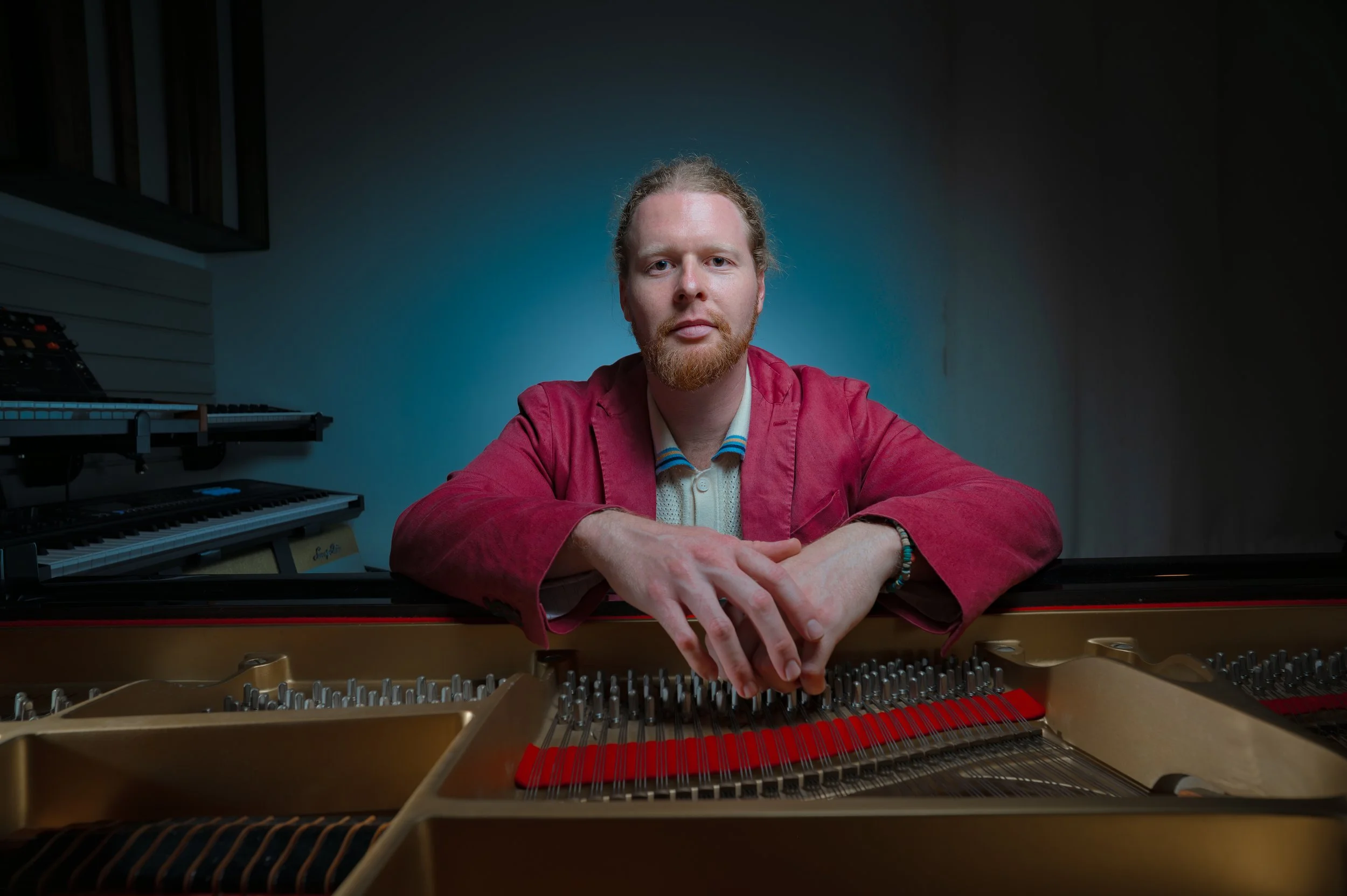
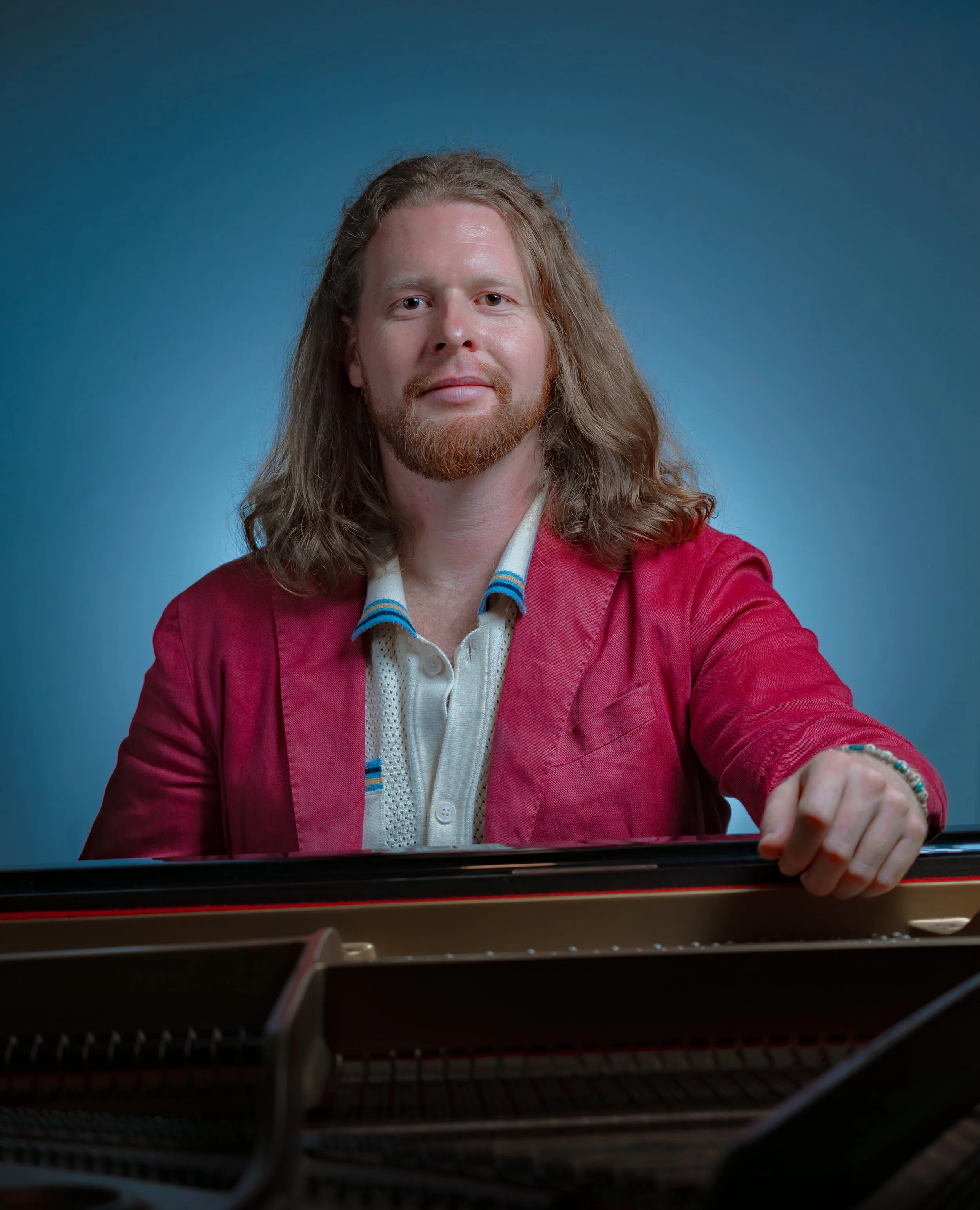
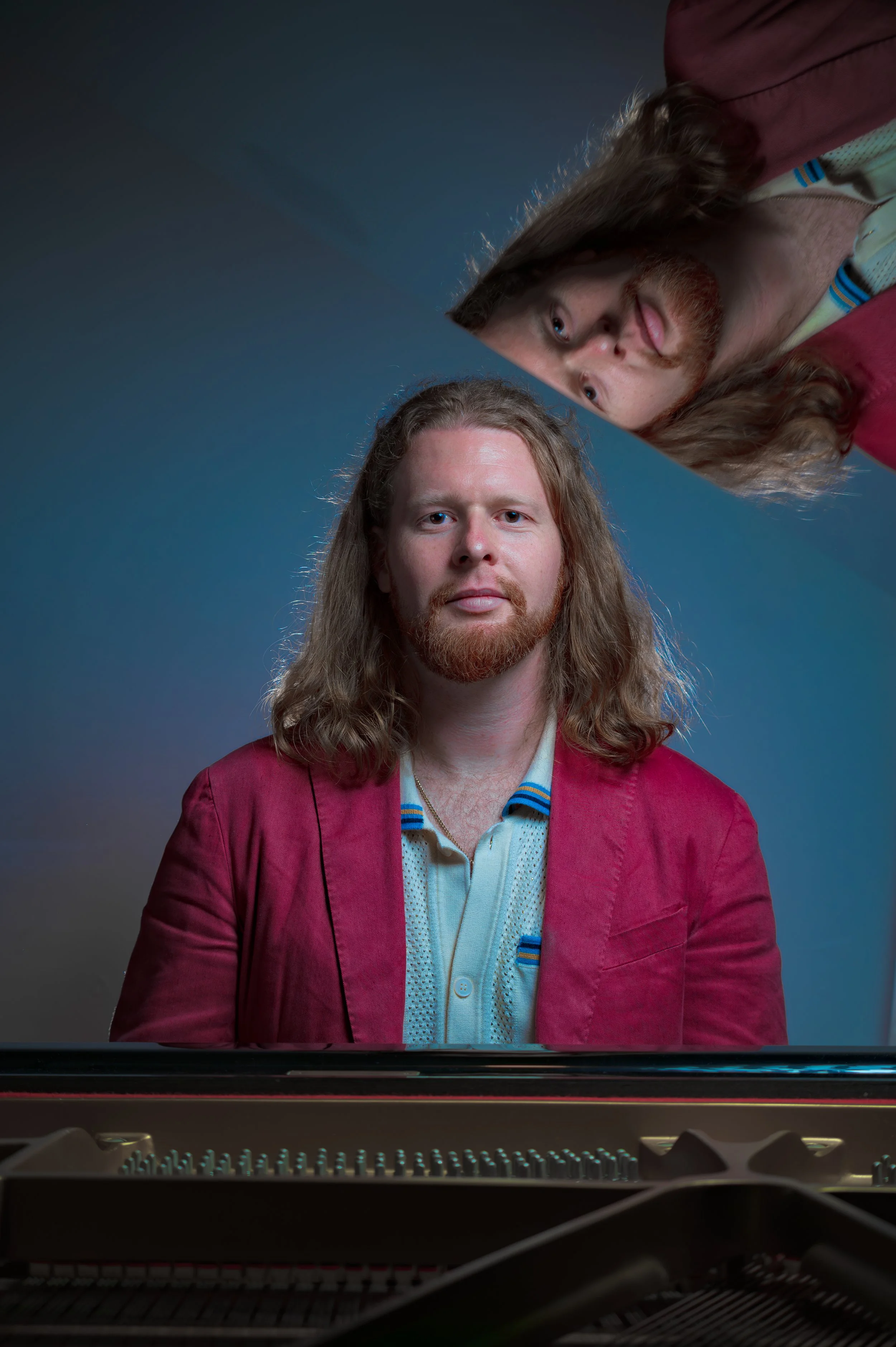
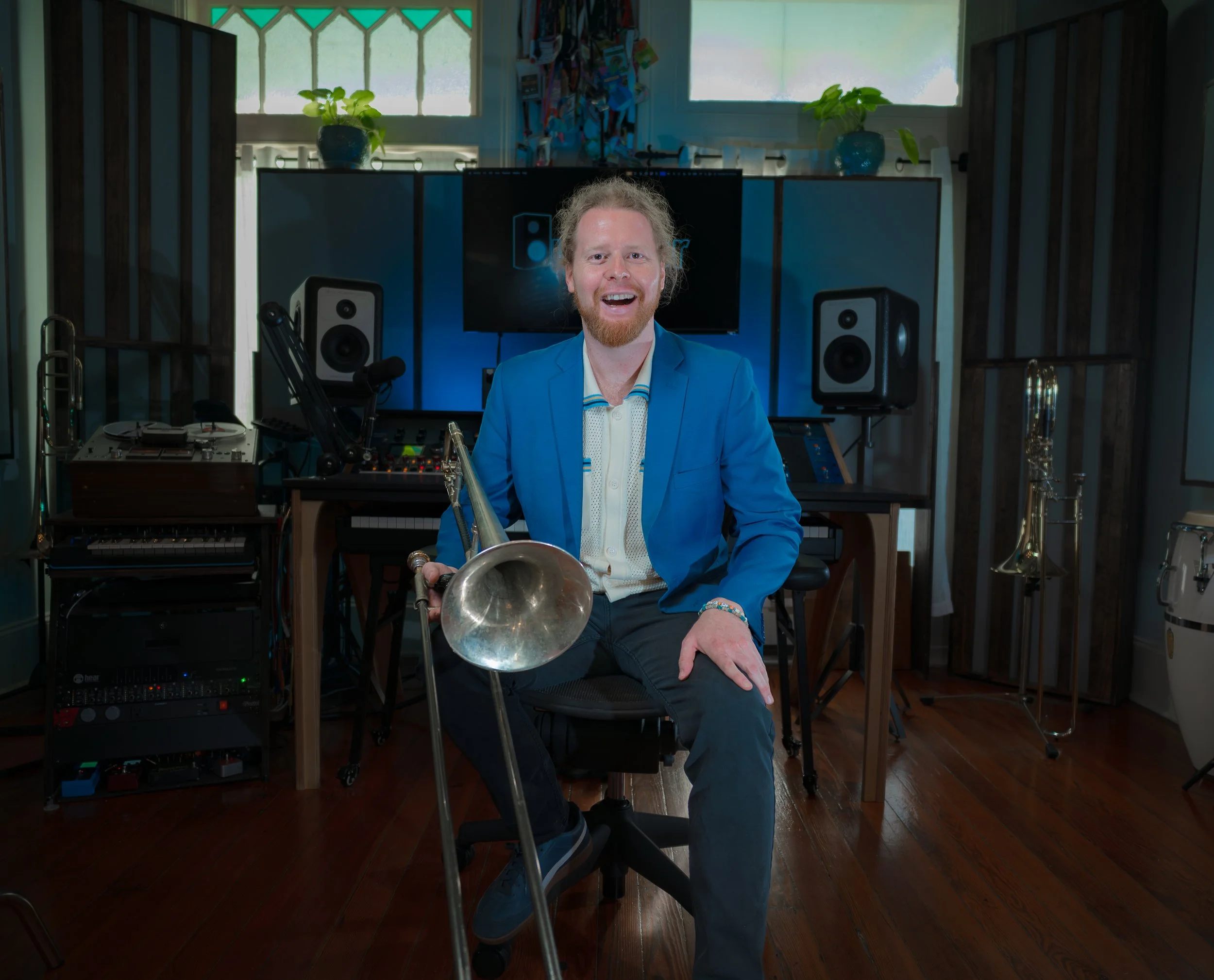
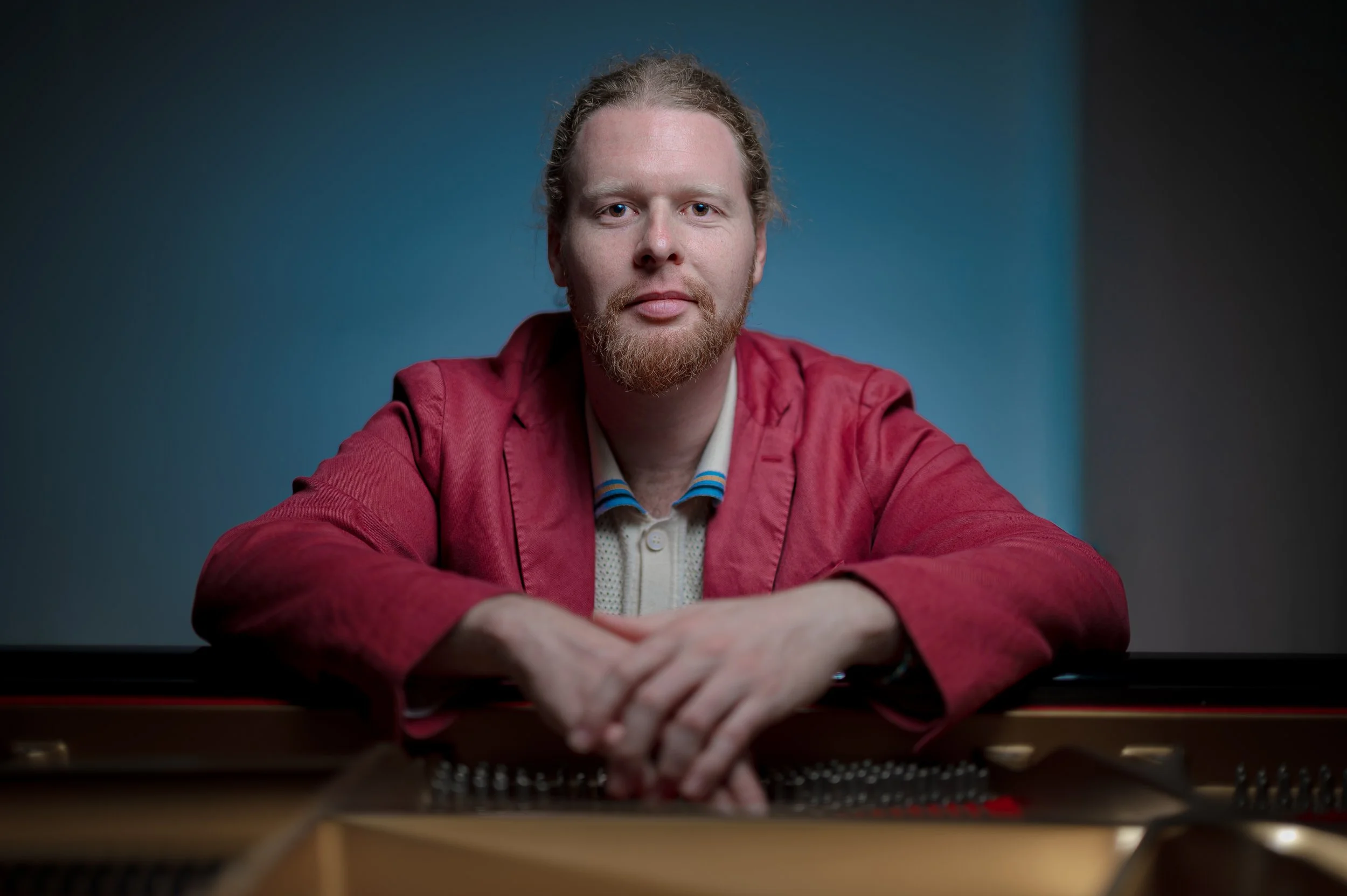
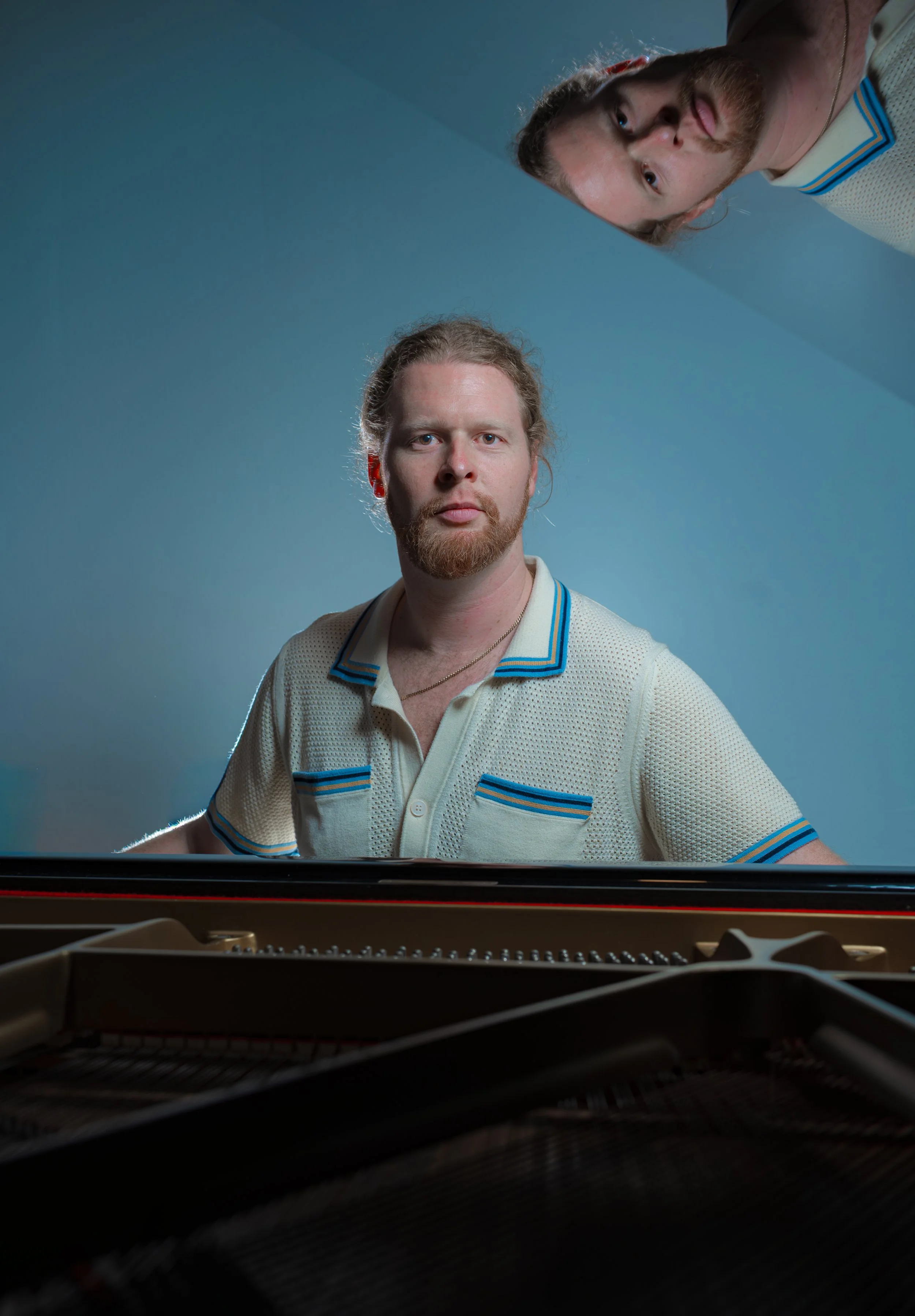
Brand Spanking New Photos care of @CesarBacaro from Butcher Studios New Orleans TO THE WORLD!!
03/12/2026
🎶 3 2026 GRAMMY Nominations! 🎶
I had the honor of recording for three incredible albums that have been nominated for the 2026 GRAMMYs at Butcher Studios
“Church of New Orleans” by Kyle Roussel — Best Regional Roots Music Album
“One Hour Mama: The Blues of Victoria Spivey” by Maria Muldaur — Best Traditional Blues Album
“Basie Rocks” by Deborah Silver & The Count Basie Orchestra — Best Large Jazz Ensemble Album
Kyle Roussel’s album is a celebration of New Orleans music in all its diversity. He brought together so many voices from across the city’s musical landscape and engineered most of it from his home studio. I was brought in to record legends Joseph “Zigaboo” Modeliste and the “New Orleans Groove Master” Herlin Riley. Anytime either of them touches the drums, it’s a Grammy-worthy moment—and I was honored to press record and help them sound like themselves. If you’re a voting member, keep this one on your radar. Kyle’s vision and execution deserve serious recognition.
On Maria Muldaur’s album two tracks with Tuba Skinny were recorded at Butcher Studios. I assistant engineered for Jacques DeLatour who made everything sound spectacular REAL FAST. Shout out to David Torkanowsky for linking me in and playing all the appropriate piano.
Deborah Silver’s Basie Rocks also brought in a powerhouse lineup. I tracked drums for Herlin Riley on “Old Time Rock & Roll,” where he added washboard and split the classic New Orleans drum line—kick and snare separate. We delivered the tracks to producer Steve Jordan, and connecting with him on the concept was another highlight.
A lot of folks still don’t know I engineer—or that I run my own project studio. If you know, you know. If not, ask someone I’ve worked with. Huge shoutout to the New Orleans community for bringing their creativity and artistry here. I just try to magnify what’s already there.
#butcherstudios
11/17/2025

In the birthplace of American music Chris Butcher stands out for his artistry and trombone playing. New Orleans based but Canadian born, Chris is able to bring a vast experience into every note he plays, he is an artist firmly established as a representative of the future of music.
Known for playing, touring and recording with the city’s finest: James Andrews & The Crescent City All-Stars, Bonerama, The New Orleans Jazz Orchestra, Delfeayo Marsalis & The Uptown Jazz Orchestra among countless others, representing the city across continents and major venues and festivals in North America.
As an in-demand producer and engineer with his own project space Butcher Studios, Chris has made hundreds of records helping musicians realize their art at the highest level. With skills in every step of the production process Chris has edited, arranged, recorded, mixed, mastered, over dubbed, coached and played on projects for people across the world and countless New Orleans musical royalty.